Osaka Weather by Month: JMA Climate Normals, Rainy Season from Early June to Mid-July, Most Typhoons in September, and an Average August High of 33.7°C
According to Japan Meteorological Agency climate normals (1991–2020), Osaka's average high in August is 33.7°C and its average low in January is 3.0°C. In the Kinki region, the rainy season normally starts around June 6 and ends around July 19; in 2026 it started around June 4 and ended around July 8. Typhoons come close most often in September, with a normal of 1.1.
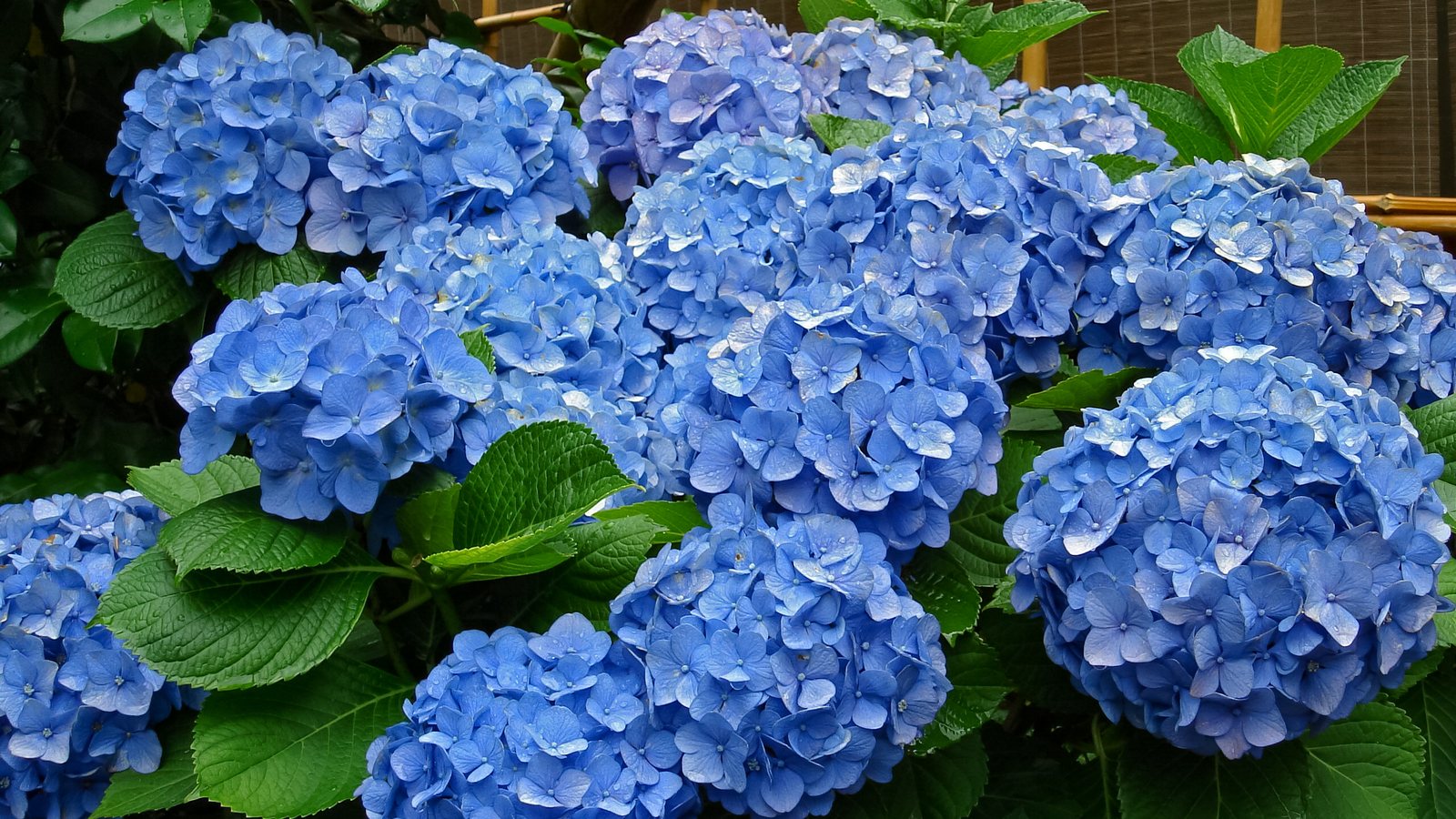
When is a good time to visit Osaka?
Going by temperature alone, April to May and October to November are the safest bets. Average highs are around 20°C, and there's less rain than in the rainy season. All the figures below are climate normals (1991–2020) from the Japan Meteorological Agency's Osaka observation station.
- April: average high 19.9°C, low 10.9°C, precipitation 101.9 mm
- May: average high 24.9°C, low 16.0°C, precipitation 136.5 mm
- October: average high 23.7°C, low 16.0°C, precipitation 136.0 mm
- November: average high 17.8°C, low 10.2°C, precipitation 72.5 mm
What are temperatures and rainfall like each month?
Listed as average high / average low / precipitation.
- January: 9.7°C / 3.0°C / 47.0 mm
- February: 10.5°C / 3.2°C / 60.5 mm
- March: 14.2°C / 6.0°C / 103.1 mm
- April: 19.9°C / 10.9°C / 101.9 mm
- May: 24.9°C / 16.0°C / 136.5 mm
- June: 28.0°C / 20.3°C / 185.1 mm
- July: 31.8°C / 24.6°C / 174.4 mm
- August: 33.7°C / 25.8°C / 113.0 mm
- September: 29.5°C / 21.9°C / 152.8 mm
- October: 23.7°C / 16.0°C / 136.0 mm
- November: 17.8°C / 10.2°C / 72.5 mm
- December: 12.3°C / 5.3°C / 55.5 mm
Annual precipitation is 1,338.3 mm, and the annual average temperature is 17.1°C. June is the wettest month, and January is the driest.
When is the rainy season?
Based on normals for the Kinki region, it starts around June 6 and ends around July 19. It varies a lot from year to year.
- 2026 (JMA preliminary figures): started around June 4 and ended around July 8. It ended 11 days earlier than normal and was classed as "considerably early"
- The normal precipitation for June is 185.1 mm, the highest of the year
- During the rainy season, pack a folding umbrella and shoes you don't mind getting wet
How bad is the summer heat?
In August, the average high is 33.7°C and even the average low is 25.8°C. Temperatures don't drop much at night.
- On very hot days, Japan's Ministry of the Environment issues a "Heatstroke Alert" (熱中症警戒アラート) by region. Forecasts for the next day are updated at 2 p.m. and 5 p.m.
- When an alert is issued, it advises resting somewhere cool indoors and drinking water and taking salt often
- When the more serious "Special Heatstroke Alert" is issued, it warns that your usual precautions may not be enough
- Cut down on outdoor plans in the middle of the day, and plan your route around underground shopping arcades and indoor facilities
When do I need to watch out for typhoons?
From August to October, especially in September. Based on JMA normals, 3.4 typhoons a year come close to the Kinki region, and September has the most, at 1.1.
- Typhoons approaching the Kinki region (normal): May 0.1, June 0.3, July 0.6, August 0.7, September 1.1, October 0.7
- Typhoons making landfall anywhere in Japan (normal): 3.0 a year, 1.0 in September, 0.9 in August
- When a typhoon hits, flights and trains may stop. Turn on notifications in your airline's app before you leave
- Leaving one spare day in your schedule makes it easier to deal with cancellations
Packing by season
- December to February: average lows of 3 to 5°C. A padded jacket or a heavy coat
- March to April, and November: chilly in the mornings and evenings. A light jacket
- June to mid-July: an umbrella and spare socks
- July to September: a hat, a parasol, a handheld fan, and drinks to stay hydrated
How to get earthquake and weather alerts is covered in Earthquake Preparedness for Your Osaka Trip: the Safety tips Disaster Alert App in Korean, a 24-Hour Korean-Language Hotline, and How to Read Nankai Trough Earthquake Extra Information.
Are there indoor places to stop by on a rainy day?
Going by their addresses, these places are in building basements, which makes them easy to visit on a rainy day. Show the coupon screen to the staff before you pay. When you open the coupon from "My Coupons" in the app, a note for staff in Japanese appears with it, and after you get the discount, tap "I got the discount · Mark as used".
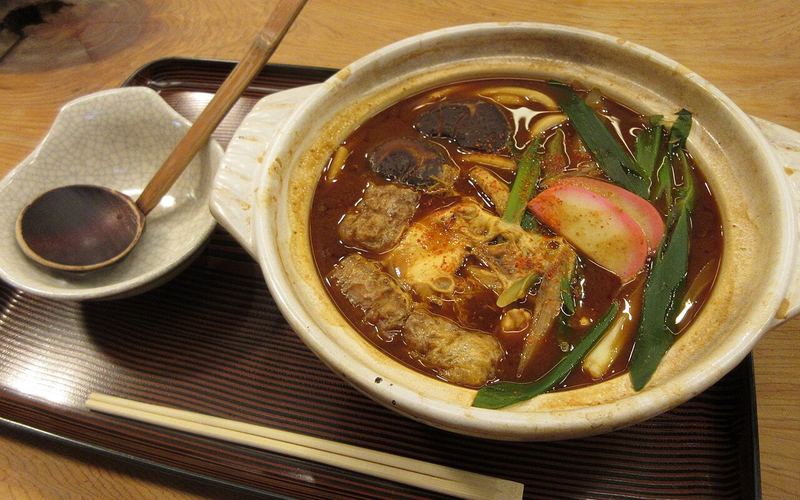 Ramen Kuon大阪府大阪市中央区船場中央1-4-3 船場センタービル B201
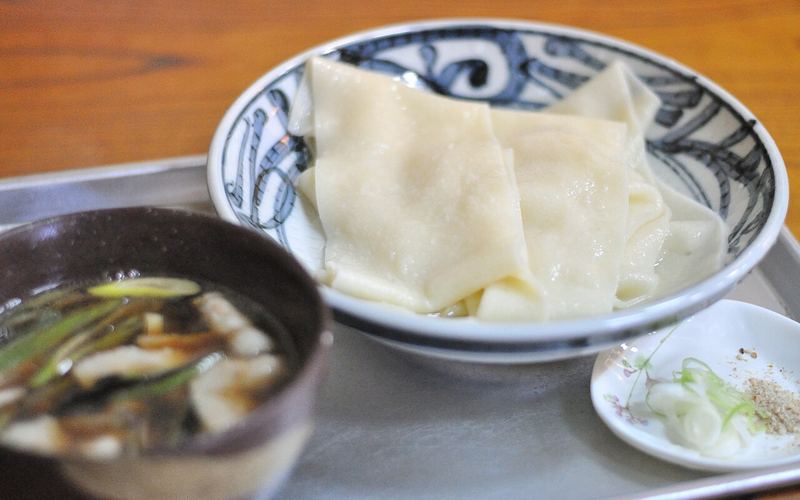 Susuruka Shinsaibashi〒542-0083 大阪府大阪市中央区東心斎橋1丁目15−22 第一KSビル 地下1階
Ramen Kuon (basement B201, Semba Center Building) gives one free side dish on orders of ¥1,500 or more (up to ¥280), and Susuruka Shinsaibashi (basement level 1) gives one free drink on orders of ¥3,000 or more (up to ¥600). For all discount stores in Osaka, see 查看大阪全部优惠店铺 ›.
Verified date and sources
Verified on: October 13, 2026. Climate normals are 30-year averages, so they may differ from the weather in a given year. Check the Japan Meteorological Agency forecast just before your trip.
- Japan Meteorological Agency, Osaka climate normals (1991–2020) — monthly precipitation, mean, high, and low temperatures: data.jma.go.jp
- Japan Meteorological Agency, preliminary rainy season data (2026) — Kinki started around June 4 and ended around July 8, normals around June 6 and July 19: data.jma.go.jp
- Japan Meteorological Agency, typhoon normals (1991–2020) — number approaching Kinki, number making landfall in Japan: data.jma.go.jp
- Japan Ministry of the Environment heatstroke prevention information — alerts and special alerts, issue times and what to do: wbgt.env.go.jp
- GayoGayo store information — coupon benefits, addresses, opening hours (checked 2026-10-13)
Photo: Hydrangeas at Tennoji, Laitche, Wikimedia Commons (CC BY-SA 4.0).
与本文相关的优惠店铺
 10% 优惠券
Chelsea's Rainbow Osaka
10% 折扣
 10% 优惠券
Dotonbori Yataimura Matsuri
10% 折扣
 10% 优惠券
STST+ Namba Parks
10% 折扣
最高 10% 折扣
 Club Giraffe Japan Osaka
到店优惠
店内价格
 25% 优惠券
Unagi Ushikyu Kakikyu
到店优惠
最高 25% 折扣
 Stand Daikoku Sengyusha Namba
到店优惠
店内价格
更多指南
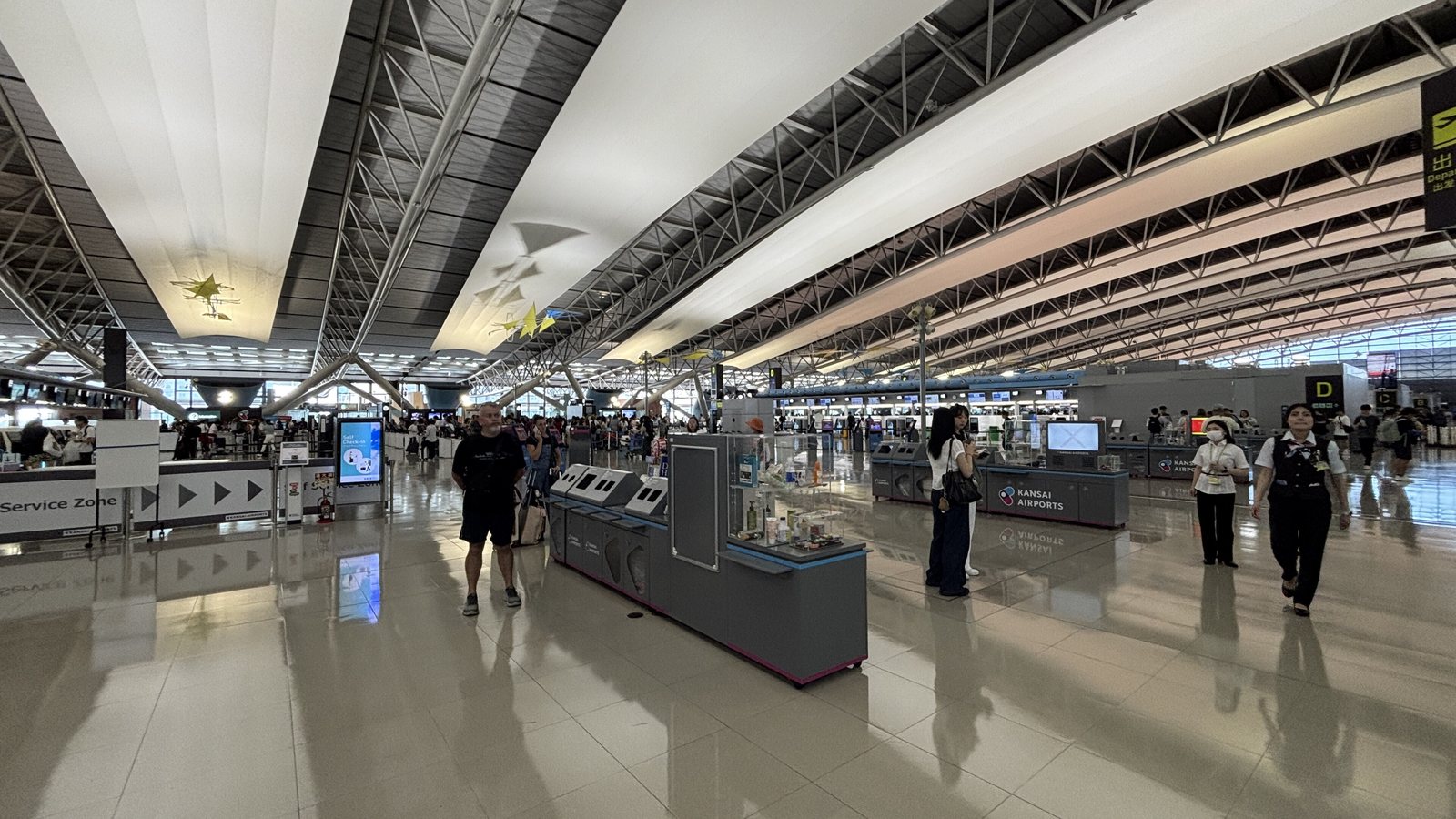 Osaka Entry Requirements 2026 for South Korean Passport Holders: 90 Days Visa-Free, Visit Japan Web, Departure Tax Up to ¥3,000, and When JESTA Starts
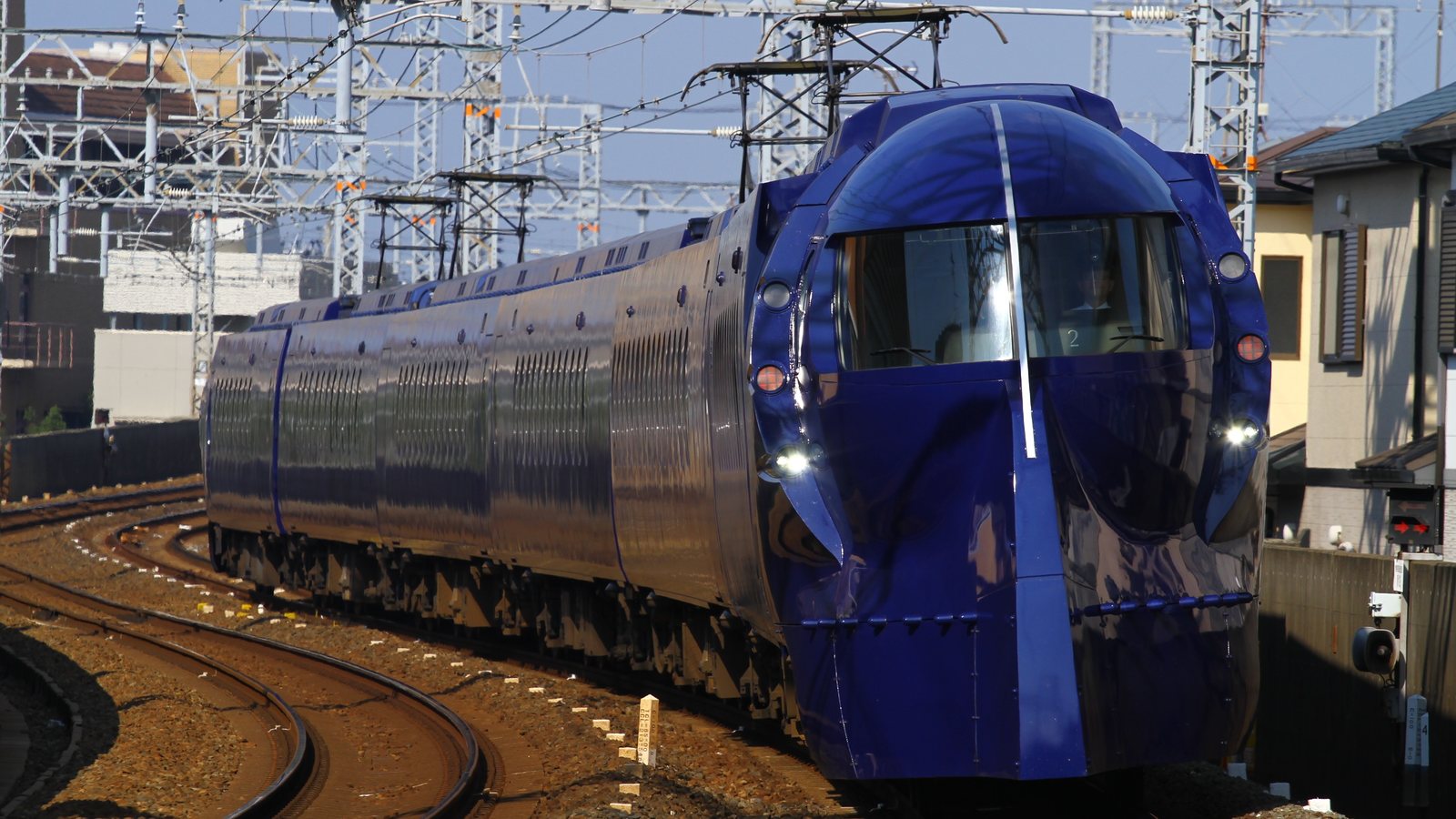 Kansai Airport to Central Osaka 2026: Nankai Rapi:t ¥1,670, Airport Express ¥970, Discounted HARUKA Tickets, and the ¥1,400 Limousine Bus
 How to Ride the Osaka Subway 2026: ¥190 Base Fare, Day Pass ¥820 on Weekdays and ¥620 on Weekends, and Tap-to-Pay Credit Cards
 Tax-Free Shopping in Osaka 2026: Switch to a Refund System from November 1, Tax Refund Kiosks at Kansai Airport, and Osaka's ¥200 to ¥500 Accommodation Tax