Okinawa Ocean Safety: Habu Jellyfish Advisory (June to September 2026) and Vinegar First Aid, What to Do in a Rip Current, and the Coast Guard's 118
Okinawa Prefecture issued a habu jellyfish advisory for June 1 to September 30, 2026, and advises pouring plenty of vinegar on a sting instead of rubbing it. In 2025, 111 people were involved in marine leisure accidents in Okinawan waters, matching the highest number since records began.
What should I watch out for most in the sea in Okinawa?
Habu jellyfish (ハブクラゲ), sudden strong winds, and rip currents. According to the 11th Regional Coast Guard Headquarters, which covers Okinawan waters, 111 people were involved in marine leisure accidents in 2025. That matches 2016, the highest year since records began in 2001 (preliminary figures).
- Of the 111 people in 2025, 29 died or went missing
- Over the past 5 years, by activity: snorkeling (33%), swimming (18%), diving (17%), and SUP (9%)
- Tourists have made up more than 70% of those involved every year since 2022
- Of 238 people involved in snorkeling and swimming accidents, 82% were not wearing a life jacket
When are habu jellyfish most common?
Okinawa Prefecture issued a "habu jellyfish advisory" for June 1 to September 30, 2026. This is the period when stings during swimming and water sports are most common. The danger doesn't disappear just because it's October, so take the same precautions.
- Of 199 cases of injuries from dangerous marine creatures in 2025, habu jellyfish accounted for the most, 81 (about 40.7%)
- Of 2,876 habu jellyfish injuries from 1998 to 2023, about half were children aged 15 or under
How do I avoid getting stung by habu jellyfish?
Swim only at beaches with jellyfish nets (クラゲネット), and only inside the nets. The Okinawa Prefectural Institute of Health and Environment recommends covering your skin with a rash guard even inside the nets.
- Before you go, check with the beach whether a net is in place
- Reduce exposed skin with a rash guard, wetsuit, long-sleeved T-shirt, or leggings
- The Uruma City Fire Department advises always bringing vinegar (食酢) when you go to the sea
What do I do if a habu jellyfish stings me?
Don't rub it. Pour plenty of vinegar on it, remove the tentacles, cool it with ice or cold water, and go to a hospital. This is the order given in the Uruma City Fire Department's 2026 guidance.
- Get out of the water right away and call for help from people nearby
- Never rub the sting. It releases more venom
- Pour plenty of vinegar on it and carefully remove the tentacles
- Cool it thoroughly with ice or cold water
- After first aid, see a doctor
- If the person loses consciousness, start CPR right away (Okinawa Prefectural Institute of Health and Environment)
Can I use vinegar on any jellyfish?
No. Use it only on habu jellyfish. The prefectural Institute of Health and Environment advises not using vinegar on the Portuguese man o' war (カツオノエボシ) or the by-the-wind sailor (カツオノカンムリ), and rinsing with seawater instead.
- Both are blue and look like plastic. They wash up on beaches on windy days
- Their stingers may still work even when they're dead, so don't touch them
- The Portuguese man o' war's tentacles can be tens of meters long, and repeated stings can cause anaphylaxis
What do I do if I'm caught in a rip current?
Don't swim against it toward the shore. Swim parallel to the shore to get out of the current. This is the method the regional Coast Guard headquarters all recommend.
- Stay calm, and wave or shout for help
- Swim parallel to the shore until you're out of the current, then head for the shore
- Rip currents can be fast enough to beat even an Olympic swimmer
What should I check before a SUP or snorkeling tour?
The wind forecast and life jackets. In April 2026, there were several accidents on Miyakojima and Ishigaki Island in which the wind picked up during SUP tours and beginners were swept out to sea. The Coast Guard headquarters urged people to choose activities that match their experience and fitness, and to head back before the wind gets stronger.
- Wear a life jacket
- If a high wave advisory is issued, check again with the operator whether the tour is going ahead. For weather, see Okinawa Weather by Month: JMA Naha Normals, Rainy Season from About May 10 to June 21, the Most Typhoon Approaches in August, and a 17.3°C January Average
Who do I call in an emergency?
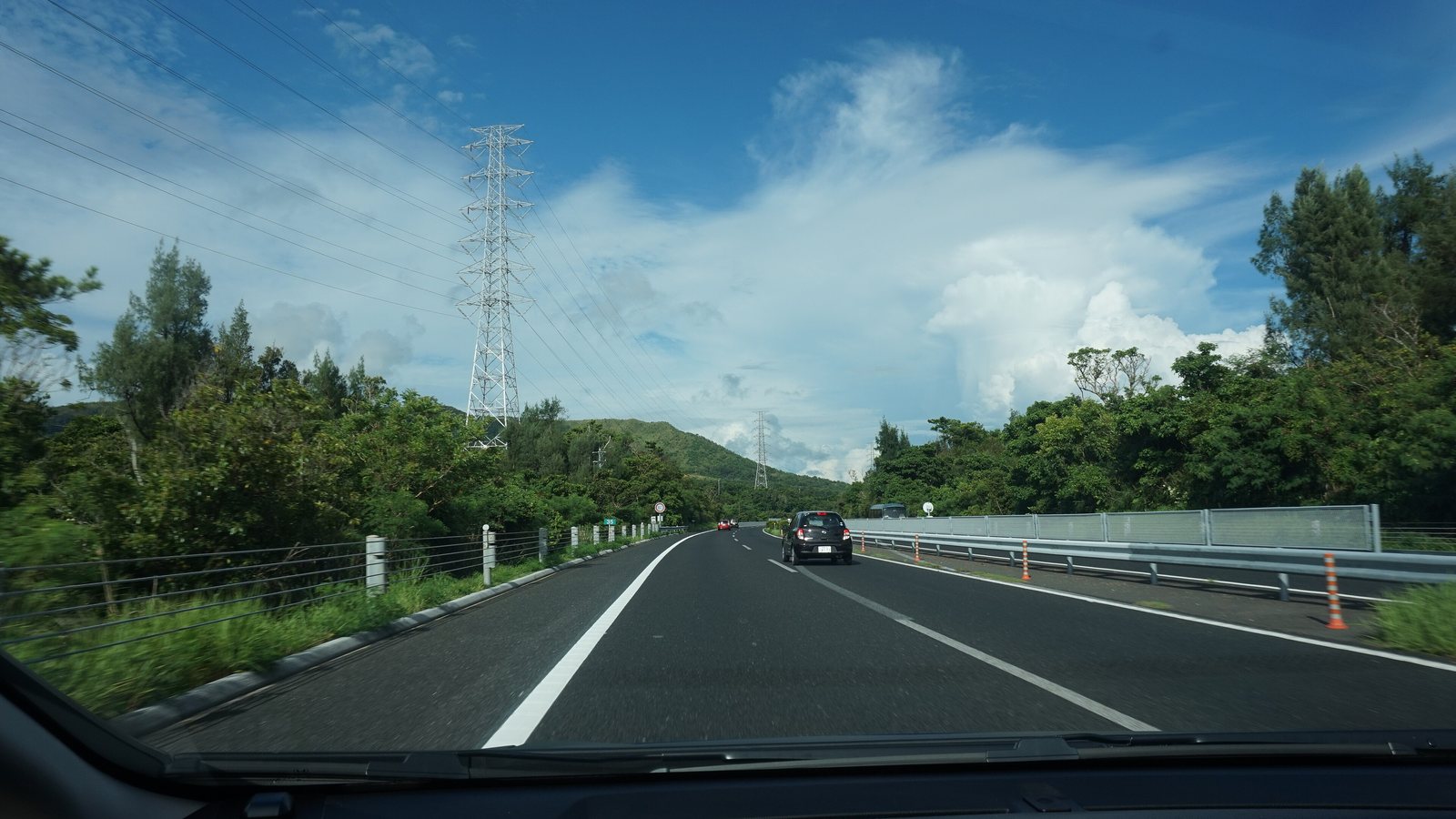
For accidents at sea, call 118 (Japan Coast Guard). For an ambulance, call 119. 118 is the maritime emergency number run by the Japan Coast Guard. If you're getting around the beaches by rental car, see Renting a Car in Okinawa in 2026: A South Korean License Alone Is Not Enough, a Geneva Convention International Driving Permit Is Required, and Naha Bus Lane Hours as well.
Is there somewhere to rest after a swim?
If you've been to a beach in the Nakijin area, there's a coupon store you can stop at. Show the coupon screen to the staff before you pay. When you open the coupon from My coupons in the app, instructions for staff appear in Japanese as well. After you get the discount, tap "I got the discount · Mark as used".
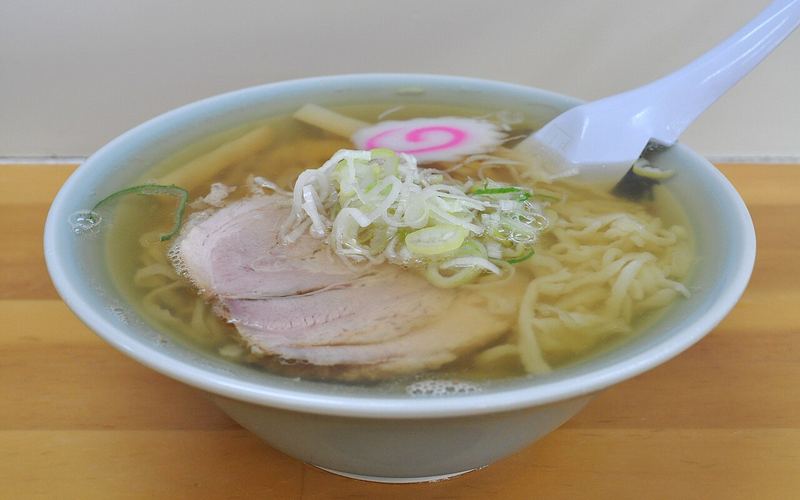 Tamashiro Tempura国頭郡今帰仁村字今泊3318-1
Tamashiro Tempura gives you 1 free shaved ice (excluding condensed milk) when you spend 2,000 yen or more. For restaurant coupons in Okinawa, see 查看冲绳美食优惠店铺 ›.
Verified date and sources
Verified on: October 13, 2026. Which beaches have jellyfish nets changes every year, so we haven't listed them. The English names for the jellyfish are for reference only.
- Okinawa Prefecture page on habu jellyfish and other dangerous marine creatures (updated 2026-08-19) — 2026 advisory 6/1–9/30, habu jellyfish in 81 of 199 injury cases in 2025: pref.okinawa.jp
- Okinawa Prefectural Institute of Health and Environment, "Dangerous Creatures of the Sea" (updated 2026-06-12) — swimming inside nets, list of dangerous creatures: pref.okinawa.jp
- Institute of Health and Environment News No. 48 (2024-07) — 2,876 injuries from 1998 to 2023, half aged 15 or under, rash guards even inside nets, CPR if unconscious: pref.okinawa.jp
- Institute of Health and Environment News No. 50 (2025-07) — seawater instead of vinegar for the Portuguese man o' war and by-the-wind sailor: pref.okinawa.jp
- Uruma City Fire Department newsletter (2026-08) — 3 prevention tips, 4 first aid steps, vinegar only for habu jellyfish: city.uruma.lg.jp
- 11th Regional Coast Guard Headquarters (2026) — 111 people involved in accidents in 2025, 29 dead or missing, breakdown by activity, 82% without life jackets: kaiho.mlit.go.jp
- 11th Regional Coast Guard Headquarters (2026) — SUP drifting accidents in April 2026: kaiho.mlit.go.jp
- 7th Regional Coast Guard Headquarters press release (2011-07-08) — swimming parallel to the shore in a rip current: kaiho.mlit.go.jp
- 10th Regional Coast Guard Headquarters press release (2017-06-27) — 3 steps for dealing with rip currents, fast currents: kaiho.mlit.go.jp
- GayoGayo store information — coupon benefits, addresses, opening hours (checked 2026-10-13)
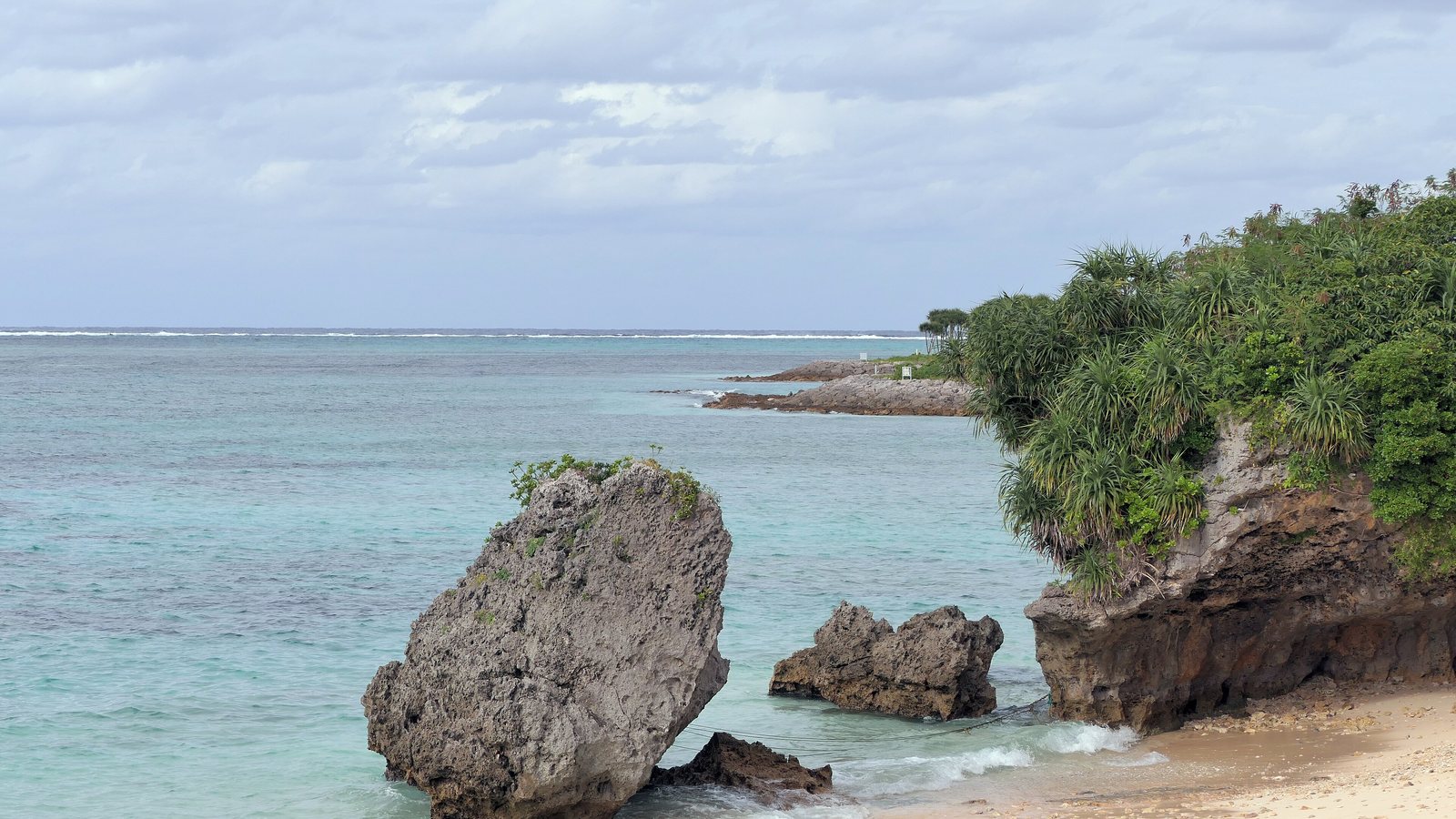
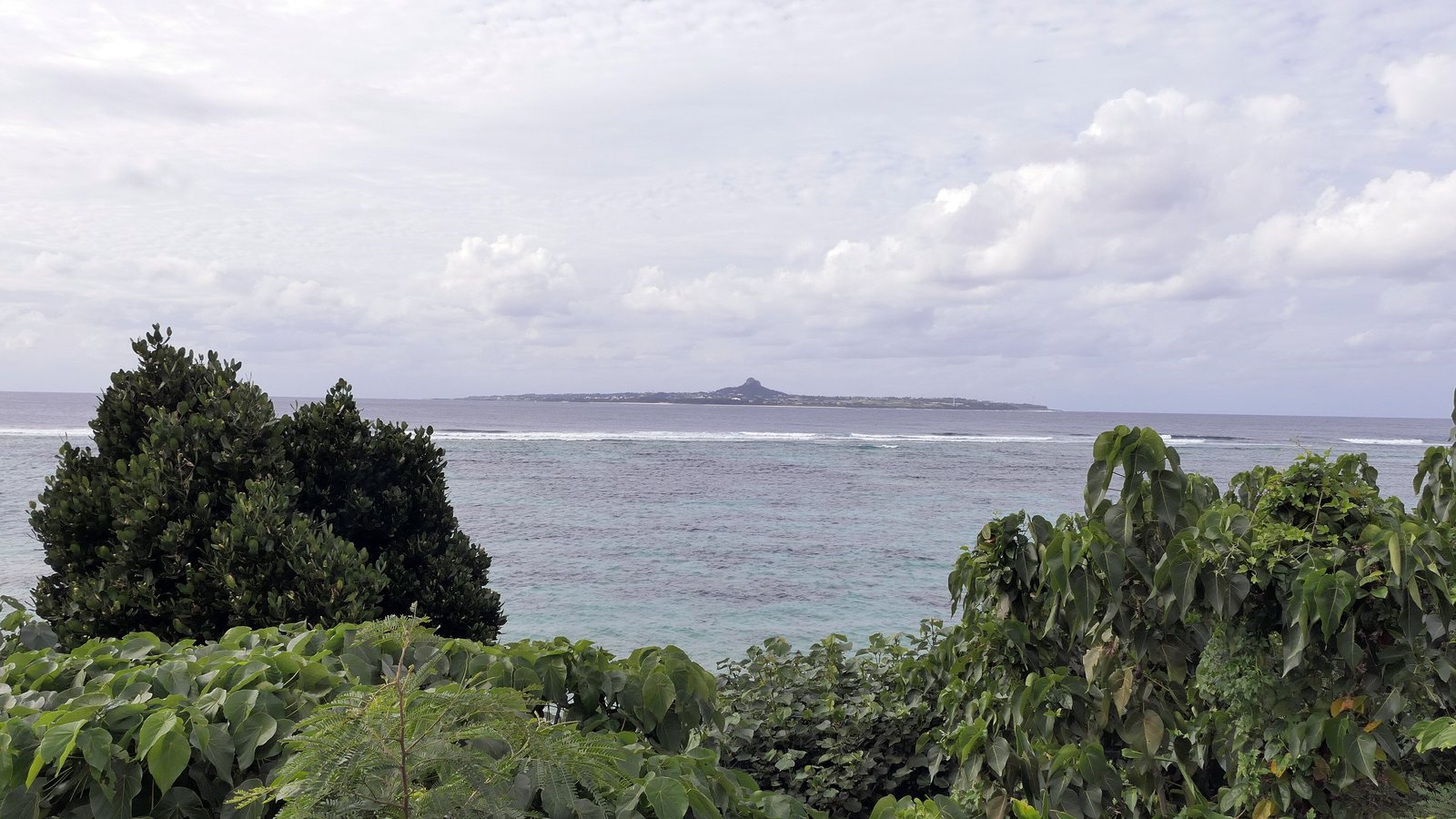
Photo: Coral reef coast near Emerald Beach at Ocean Expo Park, Hyppolyte de Saint-Rambert, Wikimedia Commons (CC BY 4.0).
与本文相关的优惠店铺
 10% 优惠券
Memorid Okinawa Cafe
10% 折扣
 Nakijin Castle Ruins
到店优惠
店内价格
 10% 优惠券
Kouri Island Station Sorahashi
10% 折扣
 Okinawa Soba Uchiya
到店优惠
店内价格
Tamashiro Tempura
到店优惠
店内价格
 10% 优惠券
Drive-in Rikarika Warumi
10% 折扣
更多指南
 Naha Airport to the City in 2026: Yui Rail Monorail Fares of 250–390 Yen, a 1,000 Yen 1-Day Pass and 1,800 Yen 2-Day Pass, and an 800 Yen Daily Cap for Contactless Cards
 Renting a Car in Okinawa in 2026: A South Korean License Alone Is Not Enough, a Geneva Convention International Driving Permit Is Required, and Naha Bus Lane Hours
 Okinawa Accommodation Tax Starts February 1, 2027: 2% of the Room Rate per Person per Night (Up to 2,000 Yen), Shared with Municipal Taxes in Onna, Chatan, Motobu, Nago, and Elsewhere
 Okinawa Weather by Month: JMA Naha Normals, Rainy Season from About May 10 to June 21, the Most Typhoon Approaches in August, and a 17.3°C January Average